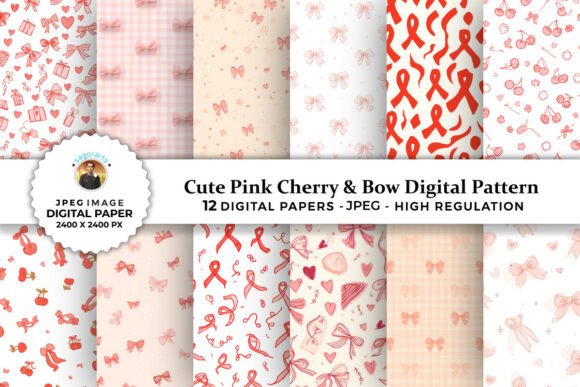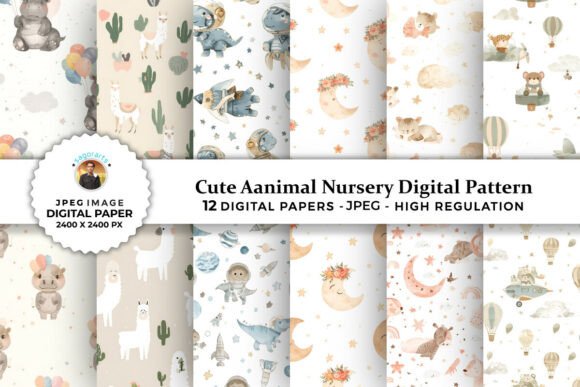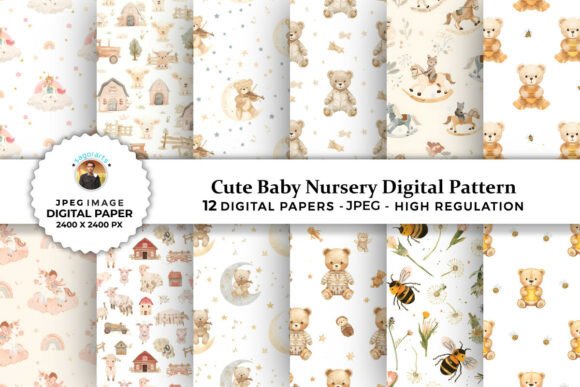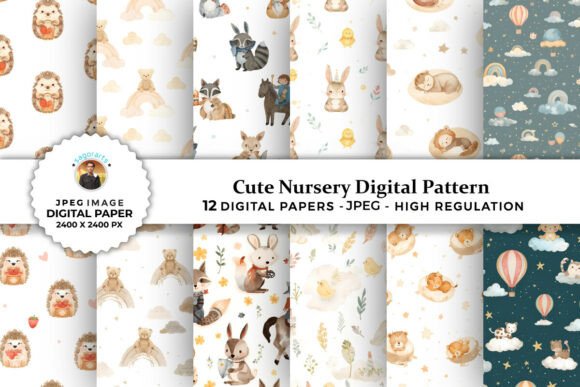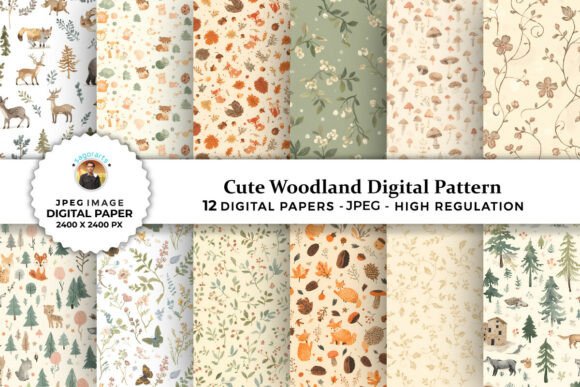
Cute Woodland Digital Patterns
In the landscape of digital design and small business operations, efficiency often hinges on the quality and versatility of your foundational assets. For creators, entrepreneurs, and hobbyists alike, sourcing high-resolution, ready-to-use textures can significantly reduce production time while elevating the aesthetic appeal of final deliverables. This is where Cute Woodland Digital Patterns enters the workflow. These are not merely decorative images; they are functional design elements intended to streamline processes ranging from e-commerce product photography to custom stationery creation.
The specific collection described—containing 12 distinct patterns within a single zip file—offers a structured approach to visual consistency. By providing files at 2400 x 2400 pixels in JPEG format, this asset pack addresses common pain points regarding resolution limits and file management. Understanding how to integrate these patterns into your broader creative or commercial pipeline requires looking beyond the visual appeal and focusing on technical compatibility, organizational strategy, and application scope.
Technical Specifications and Workflow Integration
Before diving into creative applications, it is essential to evaluate the technical framework of the asset. The specification of 2400 x 2400 pixels is a critical factor for modern workflows. In an era where users view content across various devices, from mobile screens to high-DPI desktop monitors, having square, high-resolution assets ensures that scaling does not result in pixelation or blurriness. This dimension is particularly advantageous for social media backgrounds, profile headers, and digital scrapbooking layouts where aspect ratios vary.
The inclusion of all 12 patterns in a single zip file is a deliberate choice that supports efficient project management. For professionals managing multiple client projects or running a small business with limited administrative bandwidth, reducing file fragmentation is key. A unified download means less time spent navigating disparate sources and more time focused on execution. When you unzip the file, the immediate organization allows for quick sorting into dedicated folders, such as "Gift Wrapping," "Invitations," or "Tumbler Designs," depending on your current operational priorities.
Furthermore, the use of JPEG format, while standard, requires consideration during the editing phase. Unlike PNGs, JPEGs do not support transparency, which means these patterns are best used as solid background layers rather than overlaid elements with cutouts. Understanding this limitation early in the planning stage prevents frustration later when attempting to blend the pattern with other graphic elements. It dictates a workflow where the pattern serves as the base layer, upon which text, logos, or other graphics are placed.
Strategic Use Cases Across Industries
The versatility of these woodland-themed patterns allows them to fit into diverse professional and personal workflows. Below are specific scenarios where integrating these assets can enhance output quality and user experience.
E-Commerce and Product Presentation
For small business owners selling physical goods, visual presentation is a primary driver of conversion. If you sell items like tumblers, mugs, or journals, using consistent, high-quality backgrounds can unify your brand identity across platforms like Etsy, Shopify, or Instagram. The 2400 x 2400 pixel resolution ensures that your product photos look crisp even when zoomed in. You can place a product mockup over one of the cute woodland digital patterns to create a cohesive catalog image. This method eliminates the need for expensive photo shoots or complex Photoshop compositing, allowing for rapid batch processing of inventory listings.
Print-on-Demand and Physical Goods
When designing for print-on-demand services, file resolution is non-negotiable. Low-resolution assets lead to blurry prints, resulting in customer dissatisfaction and returns. Because these patterns are provided in high resolution, they are suitable for direct printing on wrapping paper, greeting cards, and invitation stock. However, a crucial step in this workflow is color calibration. Screens display RGB colors, while printers use CMYK. Before sending designs to print, ensure you convert the JPEG files to the appropriate color mode to maintain the integrity of the woodland hues.
Digital Planning and Content Creation
Educators, bloggers, and digital planners frequently seek engaging visuals to break up text-heavy content. These patterns can serve as headers, footers, or sidebars in digital PDFs, newsletters, or blog posts. The "cute" aesthetic appeals to a broad demographic, including parents, teachers, and lifestyle enthusiasts. By incorporating these backgrounds into your Canva templates or Adobe InDesign layouts, you add a layer of professionalism and thematic consistency without needing to design every element from scratch.
Implementation Best Practices
To maximize the utility of these 12 digital papers, consider adopting a systematic approach to their usage. Randomly applying patterns can lead to visual clutter, whereas intentional placement enhances readability and brand recognition.
- Consistency Check: Select one or two patterns that align with your current project’s mood board. Using too many different patterns in a single document can distract the viewer. Stick to a limited palette to maintain visual harmony.
- Layering Techniques: Since the files are JPEGs, you can overlay semi-transparent white or black rectangles on top of the pattern to improve text legibility. This is a common technique in graphic design known as creating a "mask" or "overlay." It allows the texture to show through subtly while ensuring your message remains clear.
- File Organization: Immediately after downloading, rename the files descriptively if the default names are generic (e.g., "pattern_01.jpg"). Renaming them to "woodland_bear_jpeg_2400px" aids in future retrieval and keeps your digital asset library tidy.
- Quality Control: Always preview the pattern at 100% zoom in your editing software before finalizing any design. This step verifies that the image compression has not introduced artifacts and that the details remain sharp.
Long-Term Value and Scalability
Investing in a curated set of digital patterns offers long-term scalability. Unlike hiring a designer for each unique background need, a reusable asset library provides infinite possibilities within a defined aesthetic. As your business or creative practice grows, you can expand this library by adding complementary themes, but starting with a cohesive set like the Cute Woodland Digital Patterns establishes a strong foundation.
Moreover, these assets support sustainable design practices by reducing the need for physical prototypes. You can test different layout combinations digitally before committing to print runs, thereby minimizing waste. For educators and parents involved in homeschooling or craft activities, these digital files offer a low-cost, high-impact way to produce personalized learning materials or party decorations.
Conclusion
The effective use of Cute Woodland Digital Patterns lies in recognizing them as strategic tools rather than simple decorations. By leveraging their high resolution, standardized dimensions, and organized delivery, you can streamline your creative workflow, ensure consistent branding, and produce professional-grade outputs efficiently. Whether you are wrapping gifts, designing invitations, or building a digital presence, integrating these assets thoughtfully into your process will yield tangible improvements in both quality and speed.